
Periodontics Gum Disease Treatment
Periodontics, also known as gum disease, is a serious infection that affects the soft tissue around teeth. Without proper treatment, it can lead to bone loss and tooth support damage.

Periodontics: Nurturing Gum Health for Lifelong Smiles
Periodontics, a specialized branch of dentistry, plays a crucial role in safeguarding your oral well-being. It encompasses the prevention, diagnosis, and treatment of gum diseases. Healthy gums are not merely a cosmetic concern; they are the foundation for strong teeth and overall dental health.
By supporting and anchoring your teeth, gums help prevent tooth loss and maintain proper oral function.
Stages of Periodontitis
Mild Periodontitis (Gingivitis)
Gingivitis is the initial stage of gum disease. Symptoms include bleeding gums during brushing or flossing. Plaque buildup leads to inflammation. Proper oral hygiene can reverse gingivitis.
Moderate Periodontitis
Gum recession increases, causing more bleeding and pain during brushing. Bacteria lead to deeper infections. Bone loss may occur, and teeth may feel loose.
Advanced Periodontitis
Severe gum disease affects gums, bones, and surrounding tissues. Symptoms include pain while chewing, bad breath, and tooth loss. Surgical procedures are often necessary at this stage.
Early Habits Matter
Inculcating healthy dental habits early can lead to a lifetime of oral health. Prevention is better than repair, and we focus on maintaining healthy smiles from the start.
Book your Dental Implant Consultation with City's Most Trusted Dentists
Signs and Symptoms
Periodontitis manifests in several ways, and recognizing these early warning signs is crucial for timely intervention.

Bleeding Gums
Gums bleed during brushing or flossing due to inflammation.
Swollen and Red Gums
Inflamed gum tissue appears swollen and reddened.
Bad Breath
Persistent bad breath (halitosis) is common.
Loose Teeth
As the infection progresses, teeth may become loose.
Gum Recession
Gums pull away from teeth, exposing tooth roots.
Treatment for Gum Diseases
Regular visits to your dentist or periodontist are essential.
These professionals can detect early signs of gum disease and provide personalized guidance.
Professional cleanings remove plaque, tartar, and bacteria from areas that regular brushing and flossing may miss.
Scaling and Root Planning
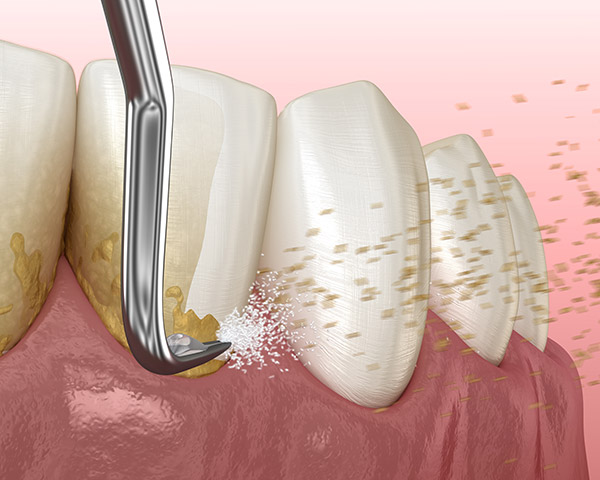
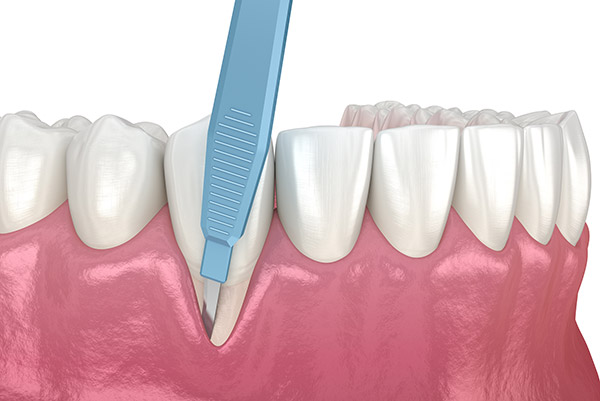
This deep cleaning procedure targets plaque and tartar below the gumline. It smooths tooth roots, reduces inflammation, and promotes gum attachment.
Medications
Antibiotics or antimicrobial agents may accompany treatments like scaling or surgery.
Flap Surgery
The gums are lifted to access tooth roots and remove tartar. After cleaning, the gums are sutured back in place, ensuring a snug fit. Reduces pocket depth and improves gum health.
Bone Grafts
Placing bone graft material in areas of bone loss stimulates new bone growth, strengthening the jawbone.
Tissue Grafting (Guided Tissue Regeneration):
Encourages both bone and connective tissue regrowth, stabilizing teeth.
Laser Treatment
Laser periodontal therapy is a modern, minimally invasive approach to treating gum disease. Using advanced dental lasers, we can precisely target and remove infected gum tissue and bacteria while preserving healthy tissue.
To ensure optimal gum health, follow some essential self-care steps like Oral Hygiene, Regular flossing, Quit Smoking and taking Healthy Diet.
Precautions from Gum Diseases
To ensure optimal gum health, follow some essential self-care steps
Oral Hygiene
Brush your teeth at least twice a day using a soft-bristle toothbrush. Pay attention to gumline areas and use fluoride toothpaste. Regular brushing removes plaque and prevents gum inflammation.
Floss Regularly
Daily flossing is crucial. It removes food particles and plaque between teeth and along the gumline, preventing gum disease and promoting overall oral health.
Quit Smoking
If you smoke, quitting is vital. Smoking significantly increases the risk of gum disease. Seek support and resources to quit tobacco products.
Healthy Diet
Consume a balanced diet rich in vitamins (especially vitamin C) and minerals. These nutrients support gum health and tissue repair. Include fruits, vegetables, and whole grains.
Stress Management
Chronic stress affects immune function and can worsen gum disease. Practice relaxation techniques such as meditation, yoga, or deep breathing.
Book your Dental Implant Consultation with City's Most Trusted Dentists
Frequently Asked Questions
Some FAQs about Periodontics (Gum Disease) Treatment
I have a ‘gummy’ smile… can anything be done?
Yes! Gum contouring procedures can reshape the gumline, improving the appearance of a gummy smile.
My gums have shrunk, making my teeth look larger. What can be done?
Gum grafting can restore lost gum tissue and enhance the aesthetics of your smile.
There is a dark line on my tooth at the gum line. What causes that?
This dark line may be due to metal-based crowns or fillings showing through thin gum tissue. Consult your dentist for options.
What about dark black patches on gums?
Dark patches on gums could be melanin pigmentation, which is usually harmless. However, consult a dentist to rule out any underlying issues.
Partners and Association
Lorem ipsum dolor sit amet, consectetur adipiscing elit, sed do eiusmod tempor incididunt ut.
Call us
+91-9896 833 333
+91 9728 800 333
Working Hours
Monday to Saturday: 10 am to 6 pm
Sunday: By appointment only
Location
Lorem ipsum dolor sit amet